Major infrastructure projects inaugurated in Chabahar Port
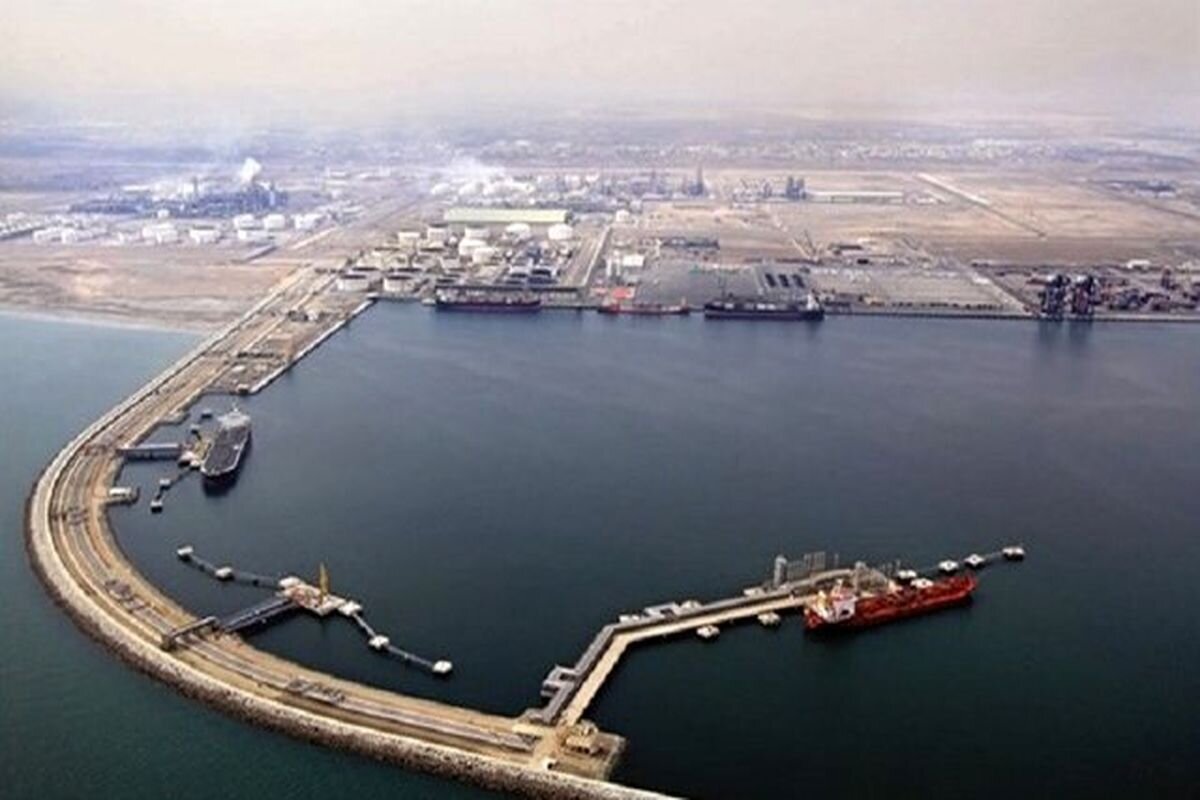
TEHRAN – Iranian Transport and Urban Development Minister Farzaneh Sadegh inaugurated and ordered the beginning of 14 major infrastructure and equipment projects worth 98 trillion rials (about $196 million) in Chabahar Port on Thursday.
As IRNA reported, the projects include the commissioning of Marine Search and Rescue Station for the coasts of Sistan-Baluchestan, with the aim of increasing the safety of maritime services in the region, carried out with a budget of 23.85 trillion rials ($47.7 million).
The construction of physical protection barriers for Shahid Beheshti and Shahi Kalantari ports, with a budget of 7.72 trillion rials (about $15.5 million), was also among the projects inaugurated at the ceremony
The commissioning of two Rubber-Tire Gantry (RTG) transtainers with a budget of 6.480 trillion rials (about $12.9 million) was also carried out to ensure safe arrangement of containers in more rows and optimize the use of container yards.
Additionally, developing the corridor for the transportation of heavy oil products, aimed at improving the exports, was another project put into operation with a budget of 1.5 trillion rials (about $3.0 million).
The basic repairs and reinforcement of the peripheral wall of Port Shahid Beheshti and Port Shahid Kalantari, with a budget of 216 billion rials (about $432,000), was also carried out to enhance the port's security level.
The operation of fuel supply to vessels (bunkering) by the private sector, a new visual monitoring center in Chabahar Port, and a 9,000 square meter warehouse were also among the inaugurated projects.
As Iran’s only oceanic port, Chabahar hosts two major ports — Shahid Beheshti and Shahid Kalantari — which play vital roles in Iran’s import and export operations. Shahid Beheshti Port covers 240 hectares with 16 hectares of loading areas and 30,000 square meters of warehouses, while Shahid Kalantari Port includes 35,000 square meters of loading areas, 30,000 square meters of warehouses, and 14,500 square meters of container yards.
Chabahar Port, situated on Iran's southeastern coast along the Gulf of Oman, stands as a beacon of transformative economic and strategic potential. Its significance is multifaceted, offering substantial positive benefits for regional connectivity, trade diversification, and economic development.
Primarily, Chabahar serves as a vital, direct sea-access gateway for landlocked Afghanistan. By providing a stable and efficient alternative to traditional routes through Pakistan, it enhances Afghanistan's economic sovereignty and integration into regional trade networks. This access is crucial for humanitarian aid, reconstruction materials, and the export of Afghan goods, fostering stability and growth in the war-torn nation.
For India, Chabahar's significance is profound. The port is the cornerstone of India’s strategic outreach to Central Asia, bypassing geographical and political impediments posed by Pakistan. It enables India to establish a reliable trade corridor to Afghanistan and beyond, into the resource-rich markets of Central Asia. This enhances India's role as a regional economic partner, facilitates energy security, and provides a counterbalance to other regional port developments. India’s investment in and operation of parts of the port infrastructure underscore a commitment to long-term, stabilizing partnerships.
On a broader scale, Chabahar is the key node in the ambitious International North-South Transport Corridor (INSTC), a multimode network linking the Indian Ocean to Russia and Europe via Iran. This corridor has the potential to drastically reduce cargo transit times and costs compared to the traditional Suez Canal route. By positioning itself at this crossroads, Chabahar can become a major global transshipment hub, attracting shipping lines and logistics investment.
For Iran itself, the port is a monumental national project. It represents the development of a major trade and industrial center outside the Strait of Hormuz, diversifying its economy and reducing pressure on its primary port, Bandar Abbas. The Chabahar Free Trade Zone promises to attract foreign investment, spur industrialization, and generate significant employment, boosting the economic prospects of its underdeveloped Sistan-Baluchestan province.
Regionally, the port promotes a vision of "connectivity for prosperity." It offers Central Asian Republics a shorter, more efficient southern sea route for their exports, breaking their dependency on traditional northern corridors through Russia. This enhances their global trade competitiveness and economic resilience.
Finally, Chabahar stands as a rare example of constructive international cooperation involving Iran, India, Afghanistan, and Central Asian nations. It demonstrates how economic connectivity can serve as a unifying force, creating shared stakes in stability and growth. The project underscores the positive potential of infrastructure diplomacy in fostering interdependencies that can contribute to long-term regional peace.
In conclusion, the significance of Chabahar Port is overwhelmingly positive as a catalyst for unimpeded trade, regional economic integration, and sovereign connectivity. It transforms geography from a barrier into a bridge, promising enhanced prosperity for all participating nations and carving out a new, dynamic hub on the world's trade map.
EF/MA
Leave a Comment